

Hot and Cold Wars: How I found the Future
The most terrifying battlefield - why we children were hated so much - the literature of the future - the state of ultimate happiness

I grew up during the cold war. It was a cold war, but it was still a war. It was cold. The cold seeped into adults and children, leeched into conversations and love relationships, bogged down architecture, literature and film. The Cold War took something away from each human being. It dressed him in an invisible uniform.
The dystopian future was announcing itself. But I did not wait for it. I left the Cold War. I left it for space.
My father had thousands and thousands of books. They rose in architectural progression shelves over shelves to the heights of human imagination. Their spines and covers were sometimes colorful, others were black, many were serious, some elegant and others nonchalant or ironic and when you stood before these rising walls of books you heard them speak, each in its own voice.
The Cold War was not as mysterious as Johne le Carré would have us believe. It was a bureaucratic distribution of threat, a slow motion approach to instant extinction that was just one red button press away from nuclear inferno.
The Cold War was bureaucratic and of the merciless gray of a corporate ladder.
Soviet tanks stood less than 30 miles from my home town of Vienna. If the Cold War were to turn hot they would in our street within 2 hours. That was the smaller problem. The bigger problem would be the counter strike of our own side. It would be nuclear and none of us would survive.
We were living on a battlefield.
The Man in the Armored Spacesuit
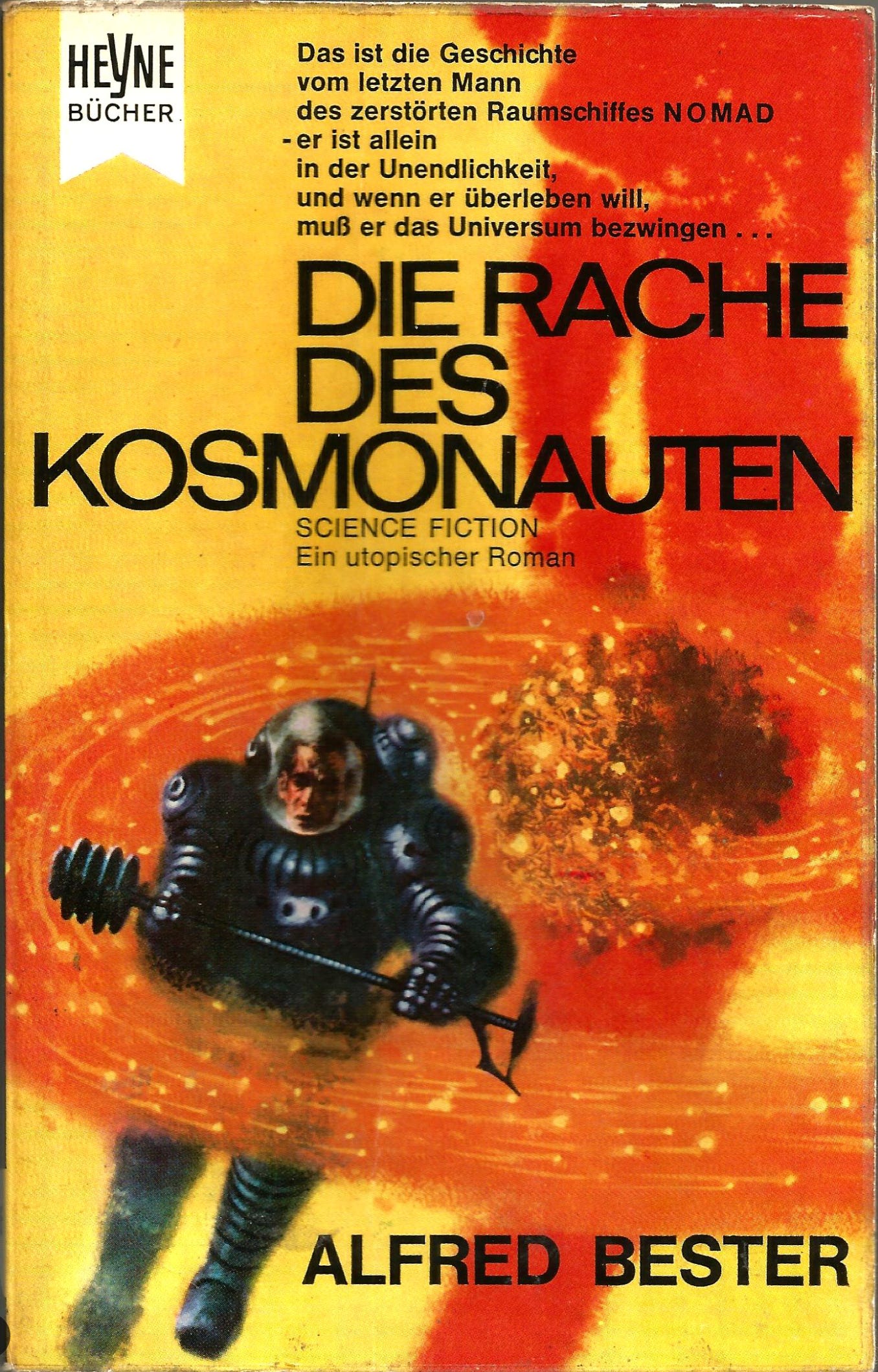
I identified with the man in the armored, black spacesuit on the cover of Alfred Bester’s “The Star are our destination” - retitled in the German translation as “The Revenge of the Cosmonaut”.
His universe was a fireball of explosions. It was as if he were flying through the center of a star and he was surviving. The subtitle suggested that this last survivor of the spaceship Nomad had to - if he wanted to survive - defeat the universe.
He would survive. So you could defeat the universe as it was now?
How could I be like him survive the coming nuclear fireball? Where could I get such an armored spacesuit?
Why we children were so hated so much
I only understood much later why we children were so much hated by the older generations. Why they stared at us with those malevolent eyes and their cruel mouths tightened to a thin line just because we were and even laughing. To them we seemed to be out of place.
Later I understood that those older men and women did not live in the same world as we did. They were stuck in that old war that for us had never happened. It was before we were born. For a child nothing from before its birth was real. As if the world and the child had come into existence a the same time at an absolute hour zero.
But I learned soon that there had been a world before I was born and things had happened in it, terrible wars. I was playing in its bomb craters.
Wars never ended with the armistice. For most, they go on until their death. Those zombies of the war remembered how their personal lives were taken from them in exchange for ideology.
That bitter, old man that cursed us might have come back from war a broken man. Eastern front and then 10 years of Soviet gulag after the war ended. That evil, old woman that broke my glider plane when it dropped on her balcony may have lost her son and her husband in the war and shrank into a bitter, resenting harpy.
They had lost everything. They were the witnesses of the end. And we children had appeared after that end. We had to be monsters. In all this terrible world we were running joyfully and even laughing. As if nothing had happened? We had to monsters.
It was a dystopian world.
I needed distance.
Lightyears of it.
The first spaceport
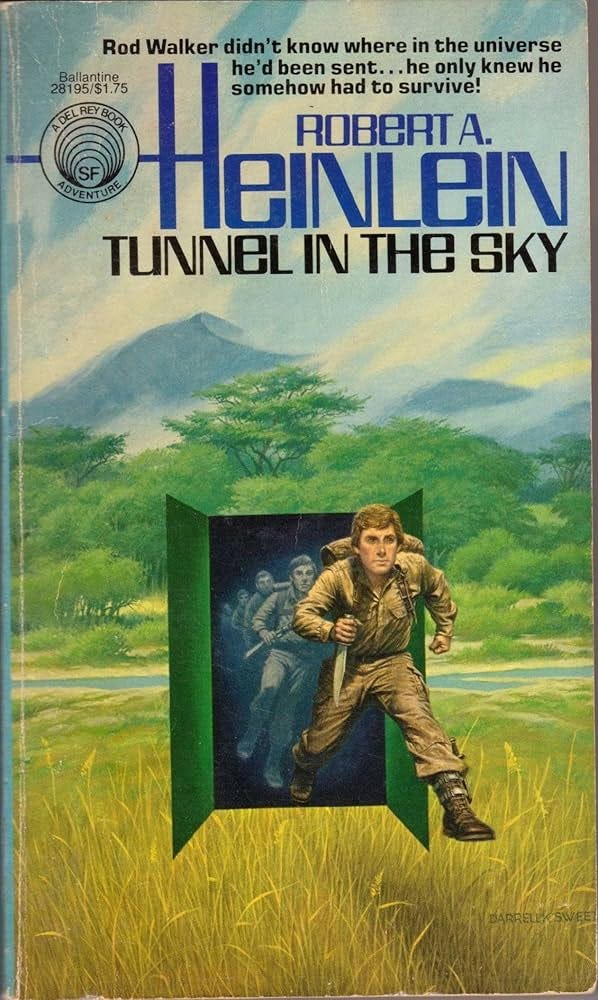
Space began in the left bedroom book case second shelf from the bottom and went up higher than my lego spaceships would fly without the help of a chair to step on. The planets of the science fiction space were Robert A. Heinlein with “Tunnel to the Stars”, Arthur C. Clarke with “2001 - A Space Odyssey”, Alfred Bester with “The Demolished Man”, Isaac Asimov with his robot stories, A E Van Vogt, Harry Harrison and many others.
Their worlds were dangerous, but never dystopian. Mankind was always in danger, fought and lost and won and lost again. They were never doomed. Fighting spirit and an idea of what tomorrow could be dominated.
When the future is like the past
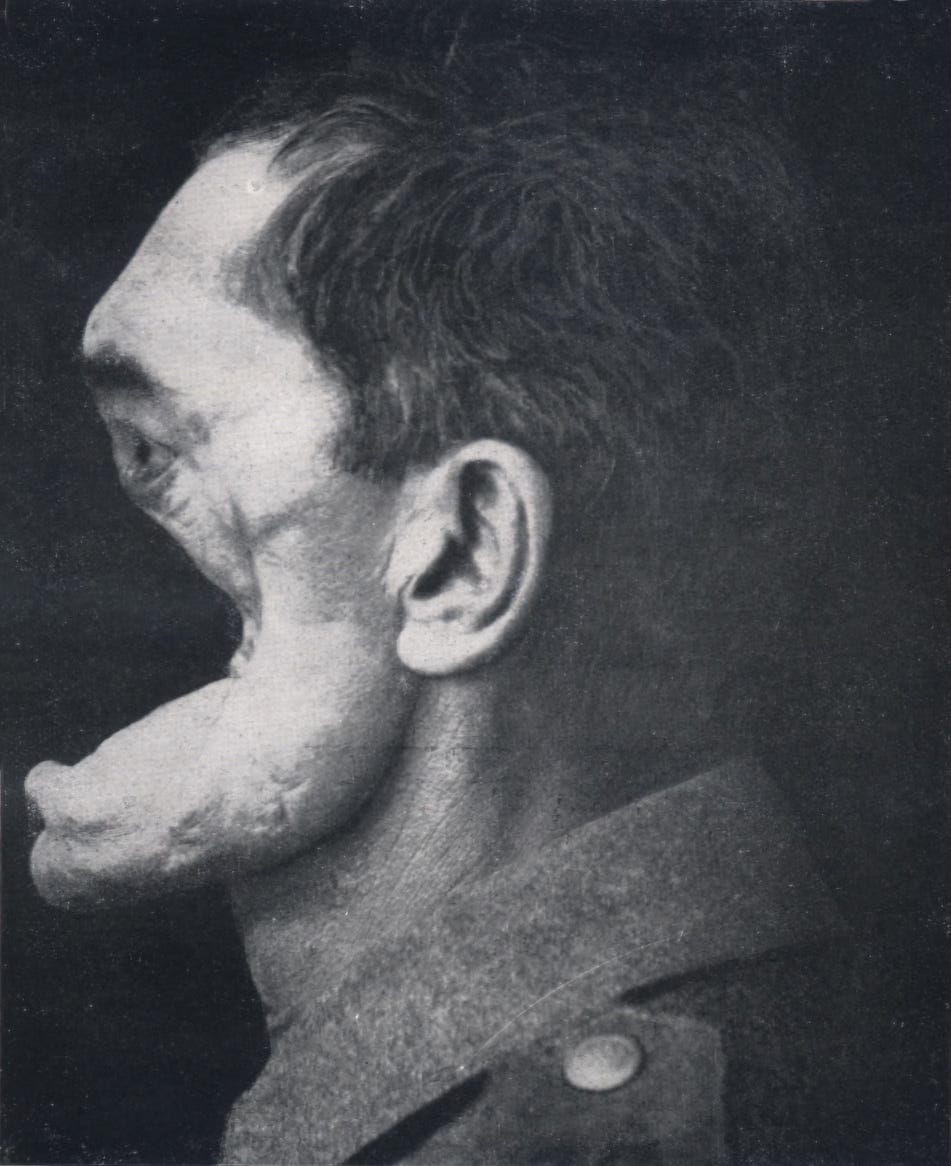
“War against War” by Ernst Friedrich was the most terrifying portrait of war. It showed portraits of men who had no faces. The meat grinders of World Wr I had turned them into living corpses. This book is one of the most terrible ever published. It shows an underworld of suffering that goes beyond anything a human being should ever have to go through.
Their faces had been shot off, parts of the skull blown away, their eyes gouged. And this book could not do a thing. Rather than a warning it was a documentation of the defeat of humanist ideals.
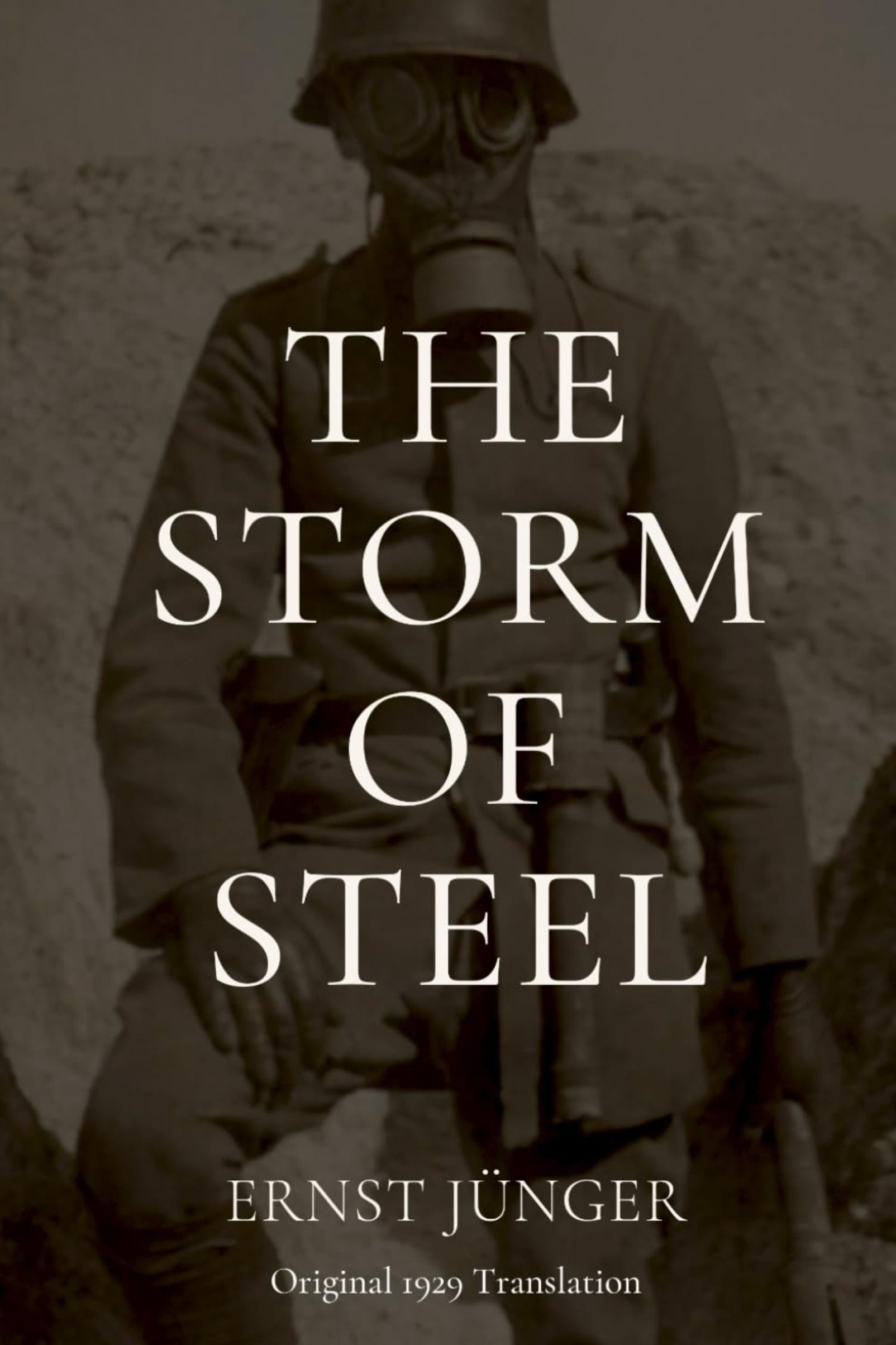
In Ernst Jünger’s “Storm of Steel” the hero physically goes through years of impossible to survive carnage. The last scene pronounces the end of the war but he does not rejoice his survival. He is just there, and everything around him has lost its meaning.
This did not stop the slaughter because, on a grand scale you cannot move away from something terrible. You can only move towards something better.
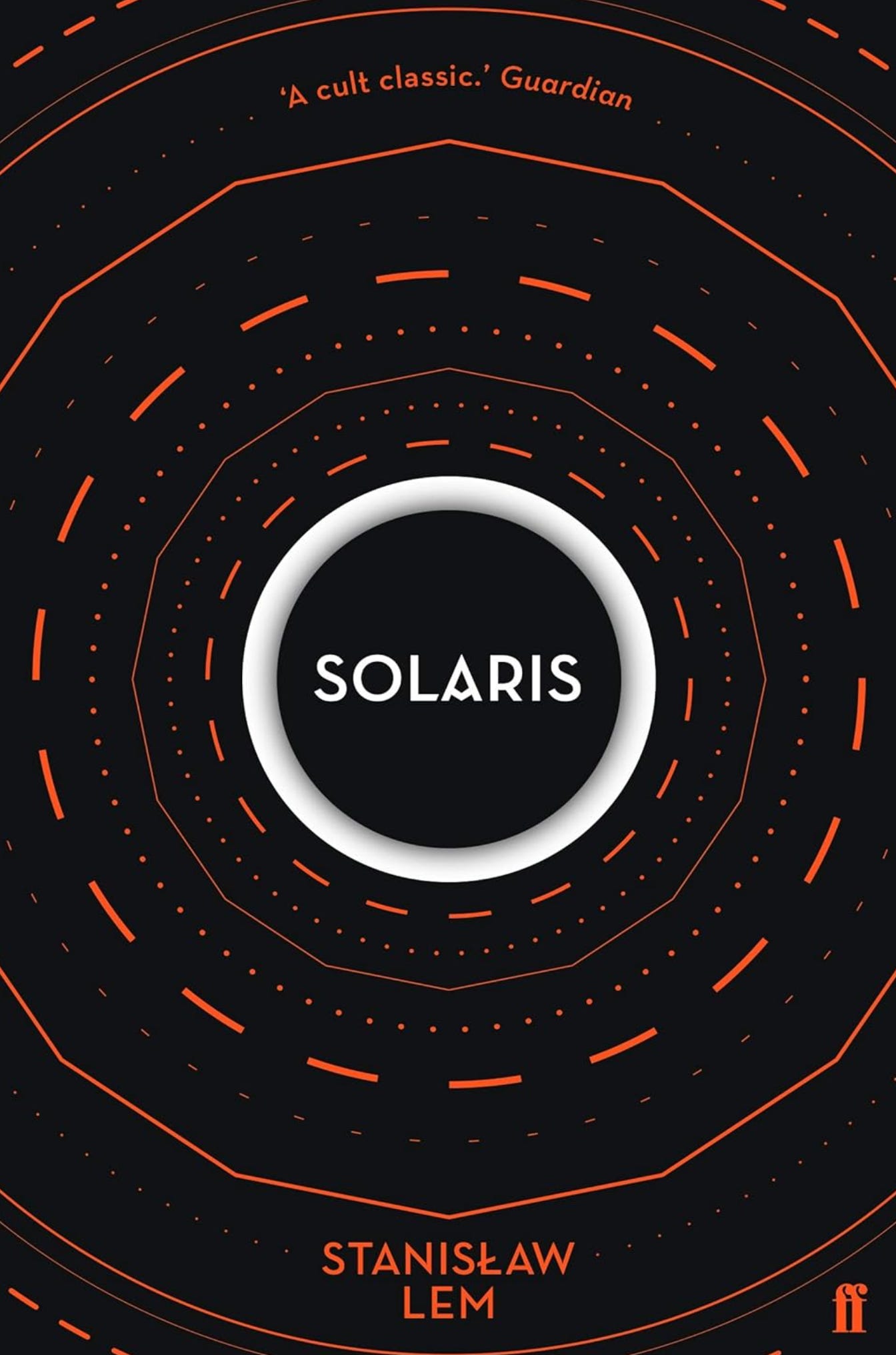
The Process of Discovery: Stanislaw Lem
I was in the audience when Stanislaw Lem read at a cafe in Vienna:
”… and the space ship would approach the planet and go into orbit and the astronauts would not know what they would find on that new world. I would not know, either. I had to be with them, land with them on that planet. I would explore the planet with my astronauts”
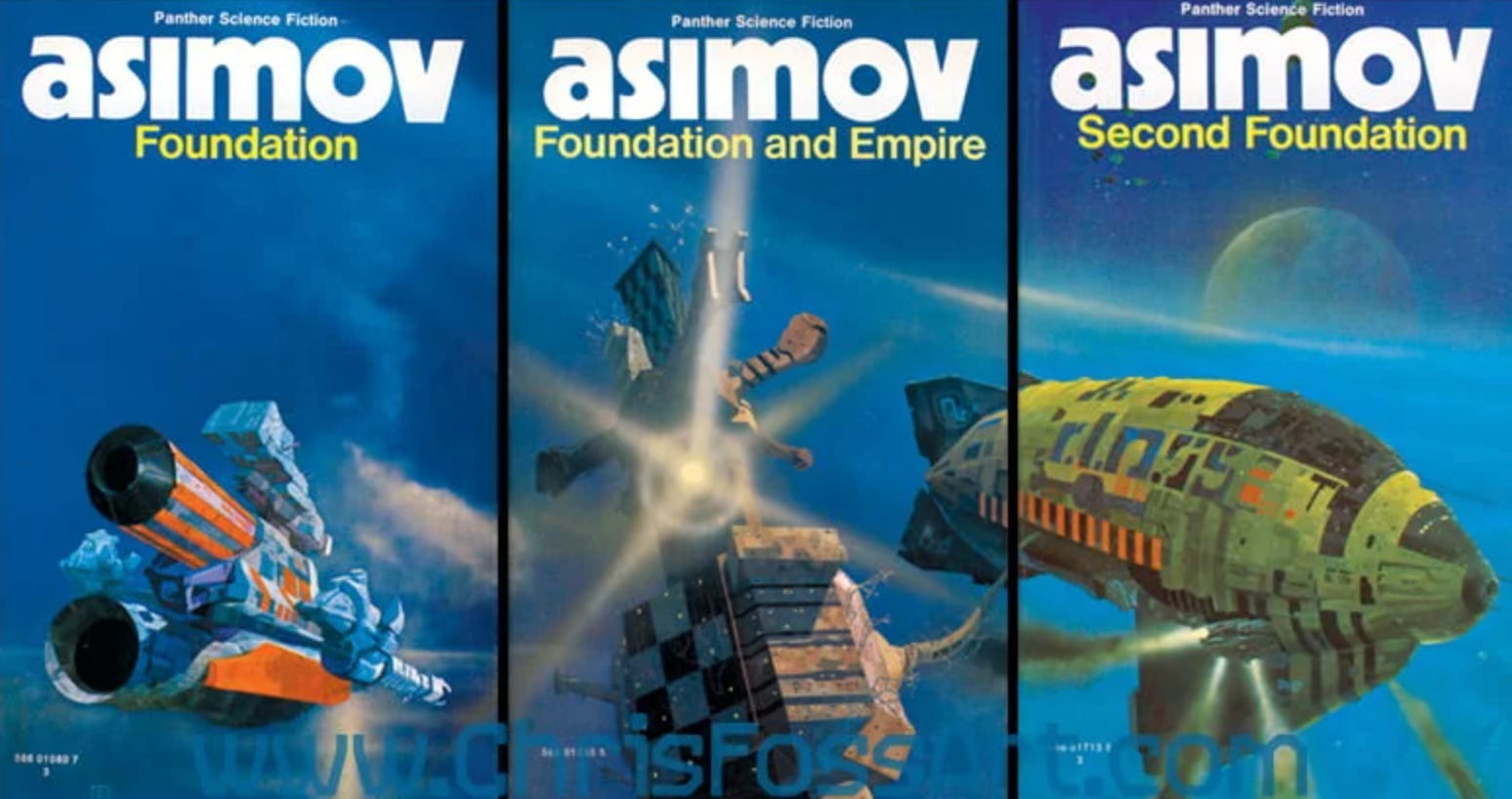
It was Stanislaw Lem’s process of discovery through writing that was such a contract to the inhuman deathscapes politics had pushed on mankind. This was a way out. This was a way to make the future look different from the past.
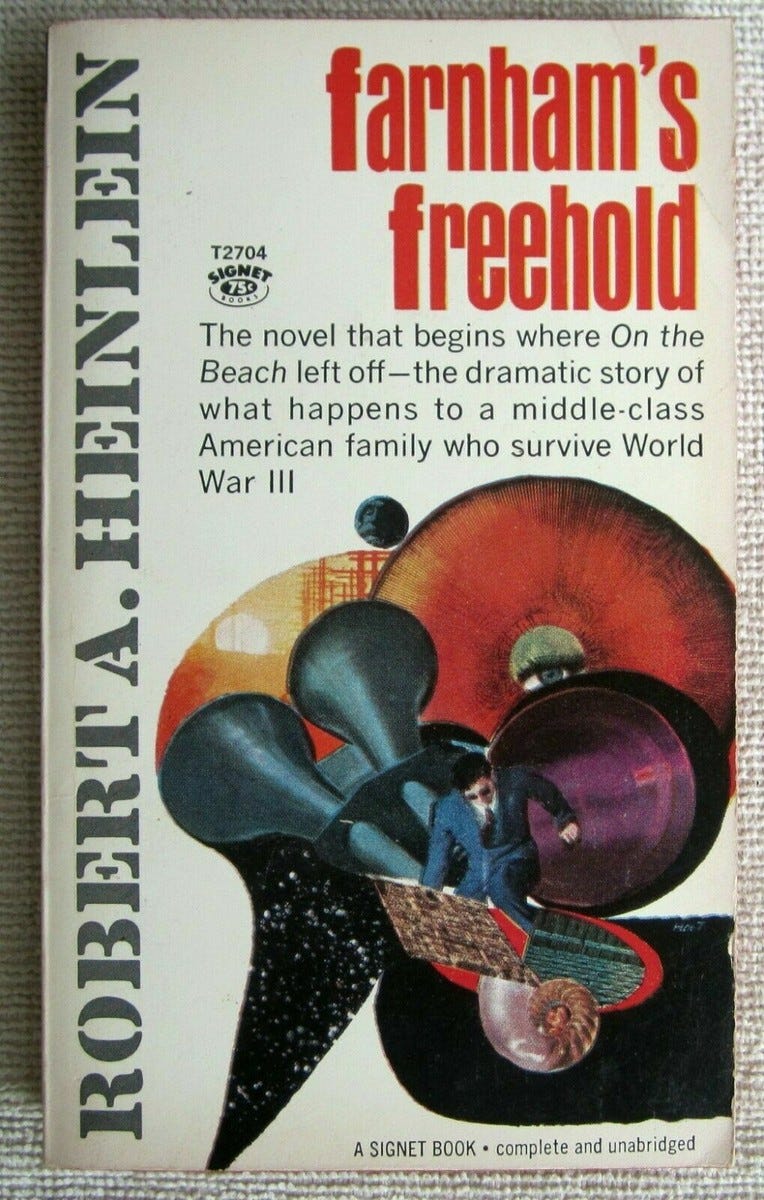
Literature as the voice of mankind
Humanism is the foundation of a good future of mankind. Its foundation are the classic ideals of virtue and responsibility, expressed through philosophy and literature, imagined by art and architecture, music and technology. The core of humanism is the dignity of man.
Our failing civilization has fallen into political ideology and defines the human as a cog in a machine. Its materialist emanations fascism, socialism, corporatism, communism may have different expressions but are based on the same inhuman assumption: that the single human being is nothing, and the collective is everything.
Literature tries to hold the line to give ideas for a future that breaks with the horrors of the 20th century. Literature is, when the writing is anchored in a specific voice of a human being that can give a direction for those wanting to move away from the desert of the past and battlefield of the present.
Science fiction, if done well is that literature of the future. If not done well, it succumbs into dystopian nightmares and anti-human cyber tech depression.
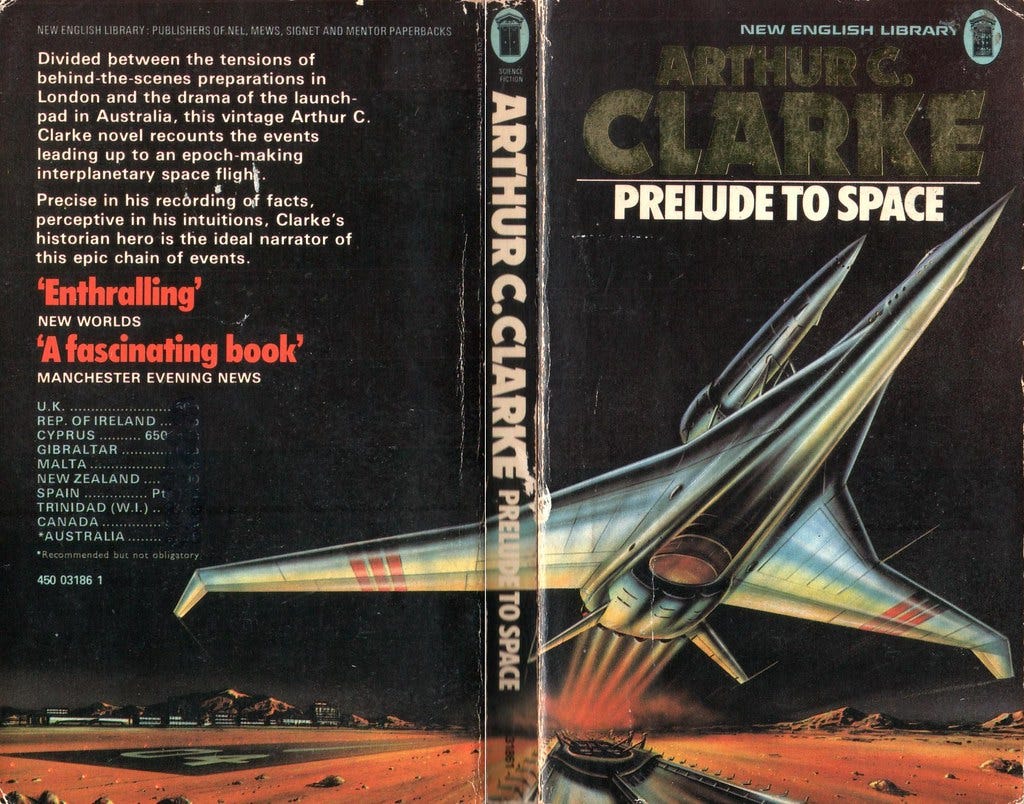
The state of absolute happiness
The human being searching for light finds it in literature, in science fiction and other genres. This is how I have found the future and how I will work to make the future different from the past.
It is a path that is open to anyone who wants to walk it. It leads through ourselves and to mankind’s mission.
Mankind has a mission to gain knowledge, explore the universe and gain wisdom. Achieving it is achieving the state of absolute happiness at the philosophers have known it for over 2000 years.
This ultimate happiness will give us the strength to take on the challenge of the interstellar realm, a challenge that will turn out unlike any other challenge mankind has ever encountered.
A fascinating reflection on how science fiction can act as a worldview, in this case containing a literally vital expression of the pointlessness of war.