


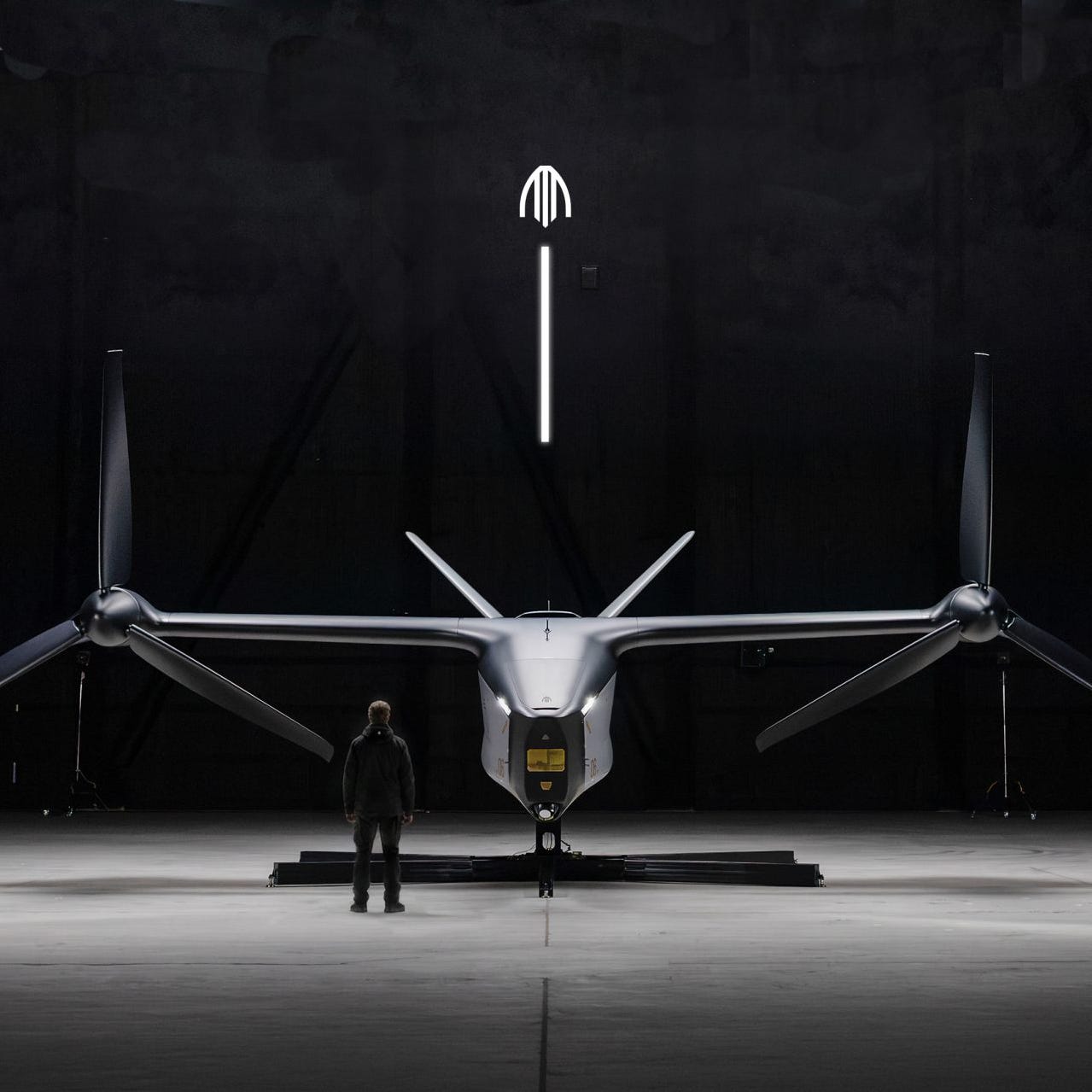
It will fly on Earth for the first time in 2027, but never on Mars.
Mars is a very special place to fly, and most of what flies on Earth won’t fly on Mars.
Will Humans Ever Fly a Plane on Mars?
Mars’ atmospheric density is 1.6% of Earth’s. Those big tilt rotors of Thunder would not have enough air to grab, its wings would not create enough lift. Mars’ air pressure of 600 pascals qualifies as “rough vacuum”. It is closer to vacuum than to an atmosphere.
Still, NASA successfully flew a helicopter on Mars. Designed for five flights, it made 72 over three years.
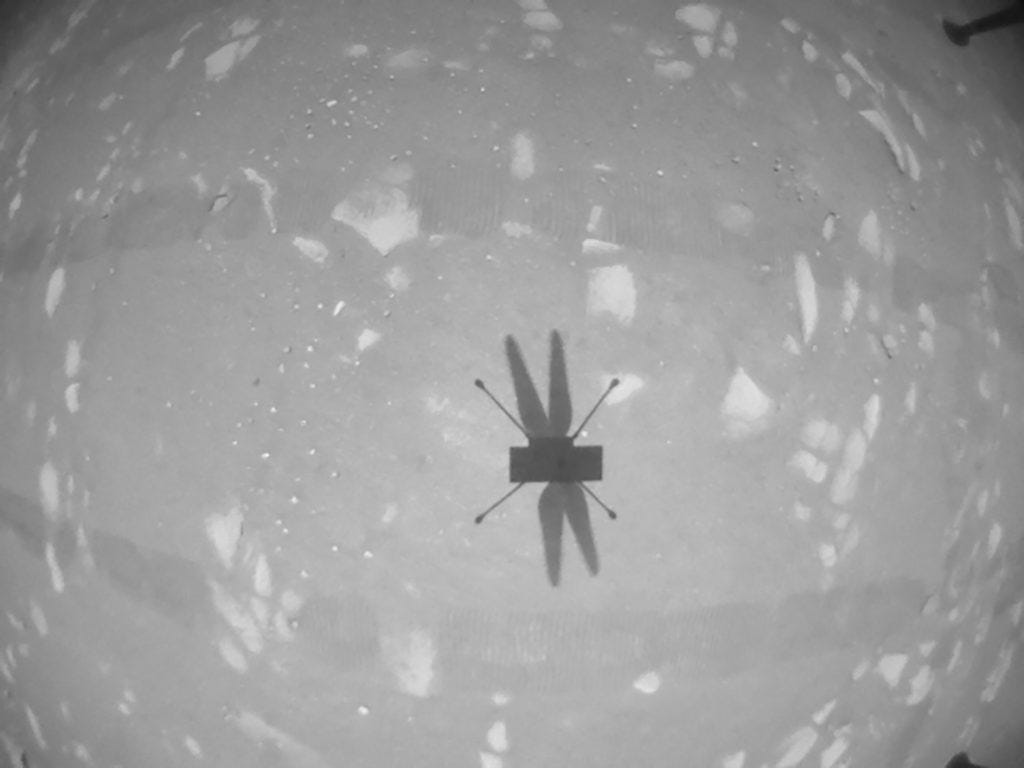
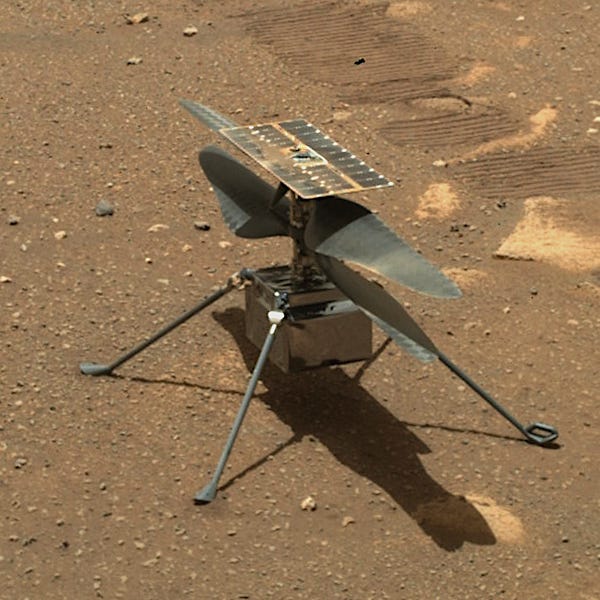
The helicopter Ingenuity weighed 4 pounds on Earth, and a pound and a half on Mars. Its carbon coaxial rotor was 4 feet tip to tip and spun at 2500 rpm, five times what helicopter rotors spin on Earth. It had no payload but two cameras. You can see its self-portrait (not: selfie, Mars helicopters do NOT take selfies, only self-portraits) among the images.
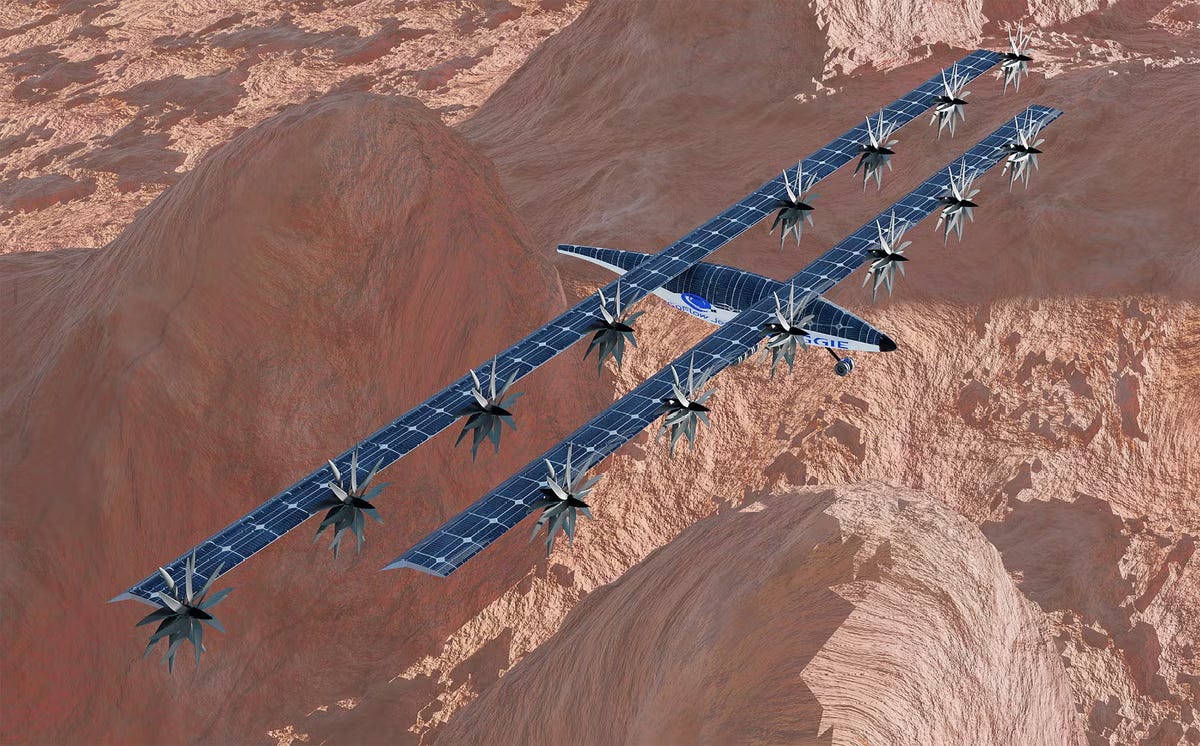
What about airplanes? NASA has a concept for a solar-powered airplane to look for water on Mars. MAGGIE has 14 propellers and runs on solar energy–
Wait: what in all decaying orbits is the matter with NASA naming? Maggie? Like aunt Maggie, going for cream puffs at the local café, sitting on two chairs at once because one won’t fit?
Maggie the plane weighs 275 pounds (less than aunt Maggie) and has a payload of 44 pounds with a wingspan of 46 feet. On Earth, that’s the wingspan of an F-35C with a payload of 18,000 pounds.
This is the price a low-density atmosphere puts on airplane flying on Mars. This means humans will never fly a plane on Mars. They are too heavy. Not even a Mars expedition by Weight Watchers will be able to solve this problem.
Why Jet Engines Won’t Work on Mars
If you do not get much from a propeller because of the thin air – how about a jet engine?
Jet engines compress air and burn kerosene for propulsion. But they need the same oxidizer – oxygen – to burn fuel just as you and I do. Only we call it breathing. Earth (21% oxygen in the atmosphere) provides it, but Mars (95% CO2 atmosphere) does not.
A jet engine would not be able to burn fuel on Mars.
We’d have to supply the oxidizer ourselves. What we have then is a rocket engine and we could put it on a plane. It has been done on Earth since 1939 with the He 176 which reached 466 miles per hour.
It was the first rocket engine propelled airplane - I recommend you don’t count the 1928 Lippisch Ente. Ente means duck in German. It was built using the canard design (canard again means duck, this time in French) which makes an airplane look as if it were going to fly backwards. With irony getting so many ducks in a row to become an airplane, it was no surprise that the triple duck went lame at 45 miles per hour – below real duck speed.
That 466 miles per hour record by the He 176, by the way, was a recollection by the pilot, Erich Warsitz. The war destroyed much of European civilization, including its memory and its technological records.
Now, could we fly planes with rocket engines?
In a crazy way, yes.
Again the thin air is the problem and the poor lift it creates on wings. On Mars, the take-off speed of a plane is five times that on Earth: 400 miles per hour. The landing speed is even higher: 450 miles per hour. That’s uncomfortably close to Mars’ lower speed of sound, 537 miles per hour.
The runway would need to be 12 miles long and you could soon line it with graves produced by this risky way of flying.
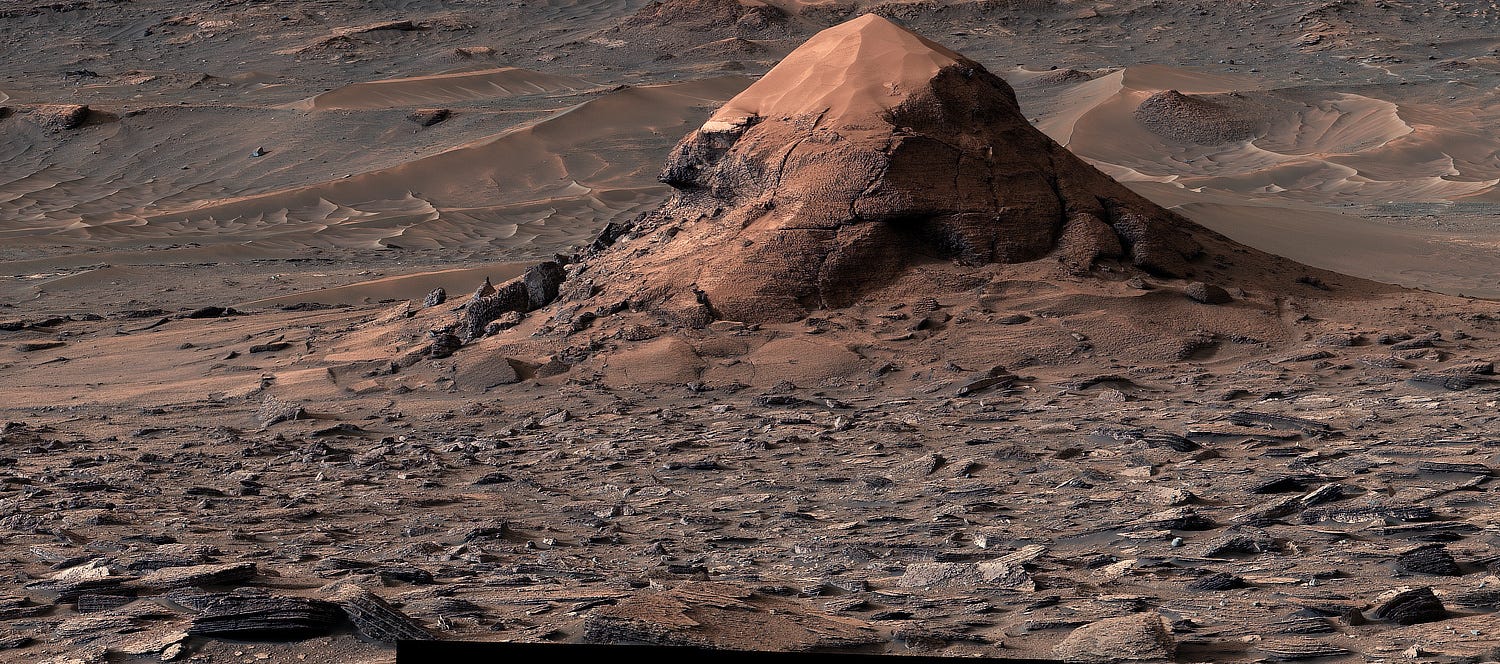
So this is it for Mars: rocket hopping over large distances, but there will be no airplanes and no helicopters flying on the planet.
Ground rovers cannot replace aircraft.
We need something that truly flies, can access habitats and ice mines, power plants and construction sites, and lift heavy loads. And we have the solution. We have had it for a long time.
This Flies on Mars
The first Zeppelin airship took off on July 2 ,1900. In 1910, the German DELAG flew the first passengers. Zeppelins were beautiful, elegant, and efficient. The first flight of an airship on Mars is unknown as my time machine is currently out of order (I can prove I have a time machine. Go to my Facebook profile. You’ll see a confirmed login in Paris in 1905).
The end for airships on Earth came when the gigantic Hindenburg burned in just 34 seconds at its mooring mast in Lakehurst, New Jersey, in 1937. It became one of those false symbols that deter technical development. What could have been the century of airships turned into an era of fixed-wing and helicopter flight.
It was tragic as the Hindenburg was designed to be filled with helium, which would not have burned. But the USA held a monopoly on helium and did not sell it to a Germany under fascist rule. Anti-Nazi Hugo Eckener, head of Zeppelin airship construction, fought both for helium and against the Nazi government and, to the detriment of both Earth and Mars, lost both battles.
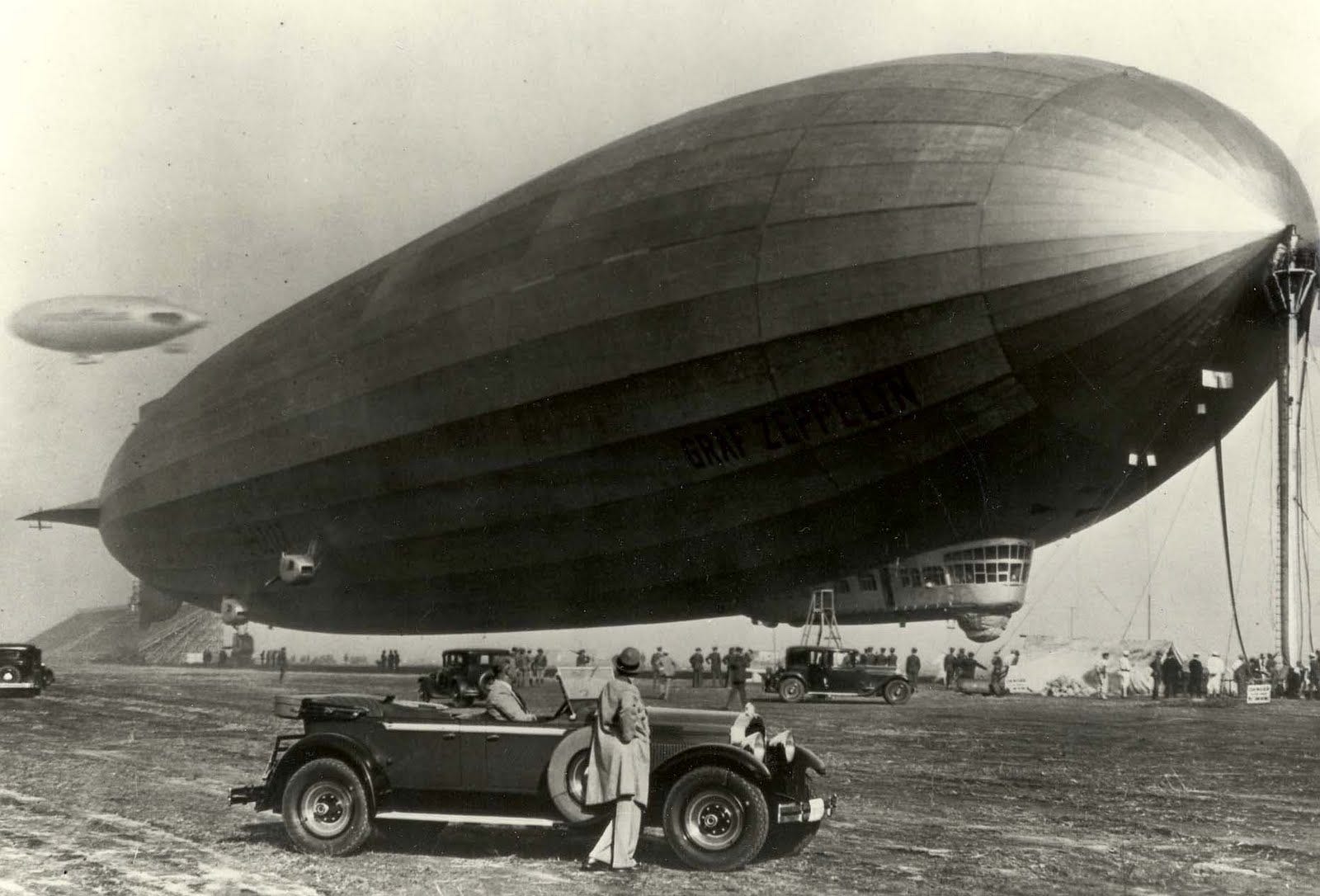
So the Hindenburg was filled with hydrogen instead.
Catastrophes like the Hindenburg could not happen on Mars. There is no oxygen in the air to burn a hydrogen-filled airship.
For once I found an upside to Mars’ many downsides.
Due to the air density of only 1/65th of Earth’s, to carry the same payload as on Earth an airship on Mars must have 65 times the volume. The size is a challenge, but we also have to give the airship the right shape to be efficient. The best shape is the streamlined, elegant cigar we know from the Zeppelins of the 1900s. A plump airship would not just be ugly, but inefficient. Form follows function, and so does elegance on Earth as on Mars.
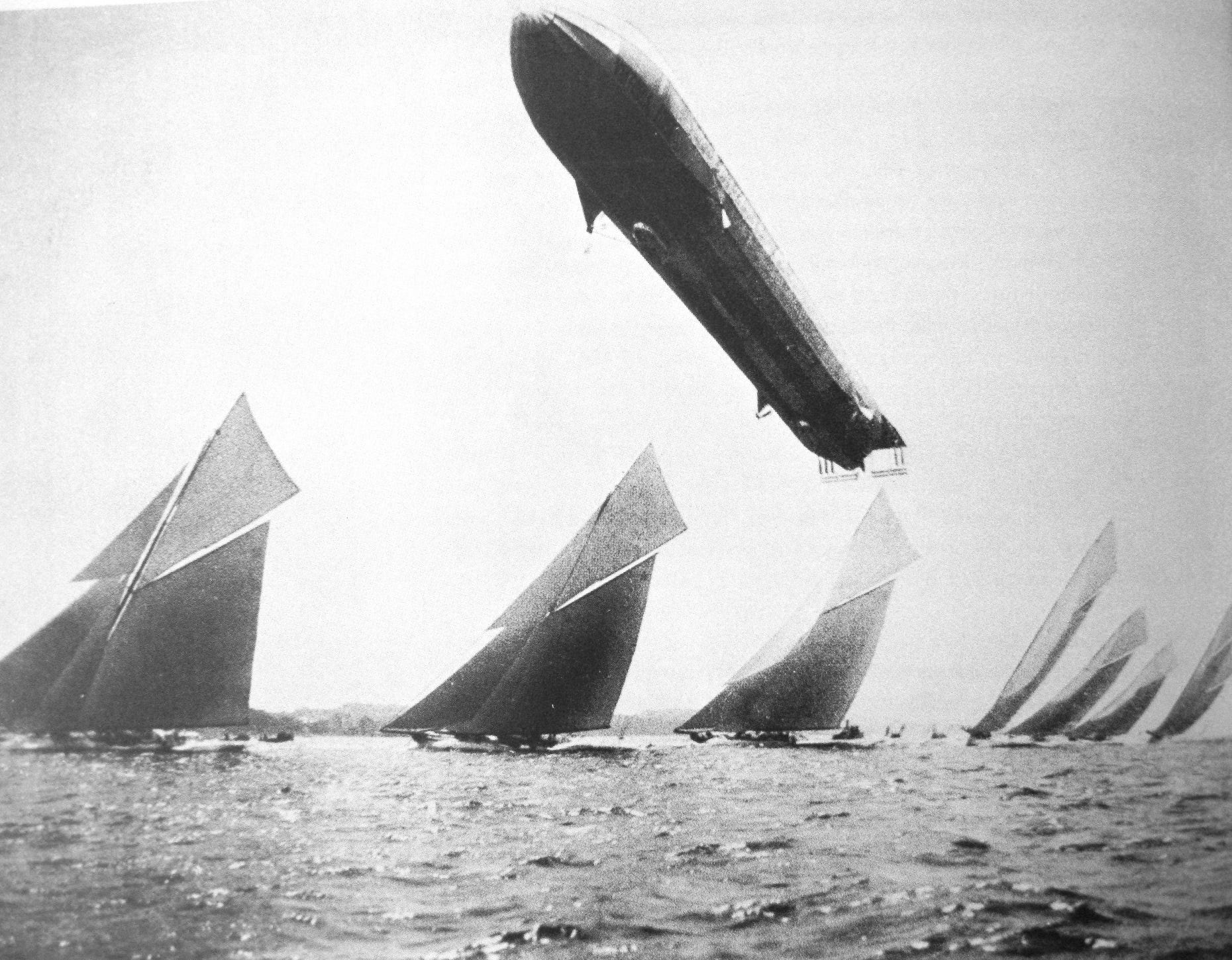
Storms were a danger to airships on Earth. Many an airship got torn to pieces by rough atmospheric turbulence. On Mars the air pressure is low - another upside to a downside - so storms and sudden air movements would not be a problem. A 100 mph storm would create the same air pressure as a 12.4 mph ocean breeze on Earth.
The dust, on the other hand – the highly abrasive talcum-powder fine dust – has to be dealt with. I can see many good jobs as a dust engineer on Mars.
This is flying on Mars:
Majestic airships gliding over the landscapes of the Red Planet, connecting settlements, research stations, power plants, and ice mines. Becoming an airship captain will be the new dream job for little boys.
So, we Martians will take airships over airplanes any day.