The Birth of the Literature of Future out of the Cold War
Dystopia and the lack of color – Living on a future battlefield – the world-creating process of discovery – the colors of future

I grew up during the Cold War. It was a cold war, but it was still a war. It was cold. The cold seeped into everyone, men and women, and children. It took the color out of people, out of things. The Cold War made everything gray, and everyone.
Soviet tanks stood at the Iron Curtain, which was less than thirty miles from my then hometown of Vienna. If the Cold War were to turn hot they would be in our street within two hours. That was the smaller problem. The bigger problem would be the counterstrike from our own side. It would be nuclear, and none of us would survive.
We were living on a future battlefield, in the crosshairs of nuclear arsenals. This sounds more dramatic than it felt. As a popular Viennese saying goes, one gets used to anything.
Stratospheric Mushrooms
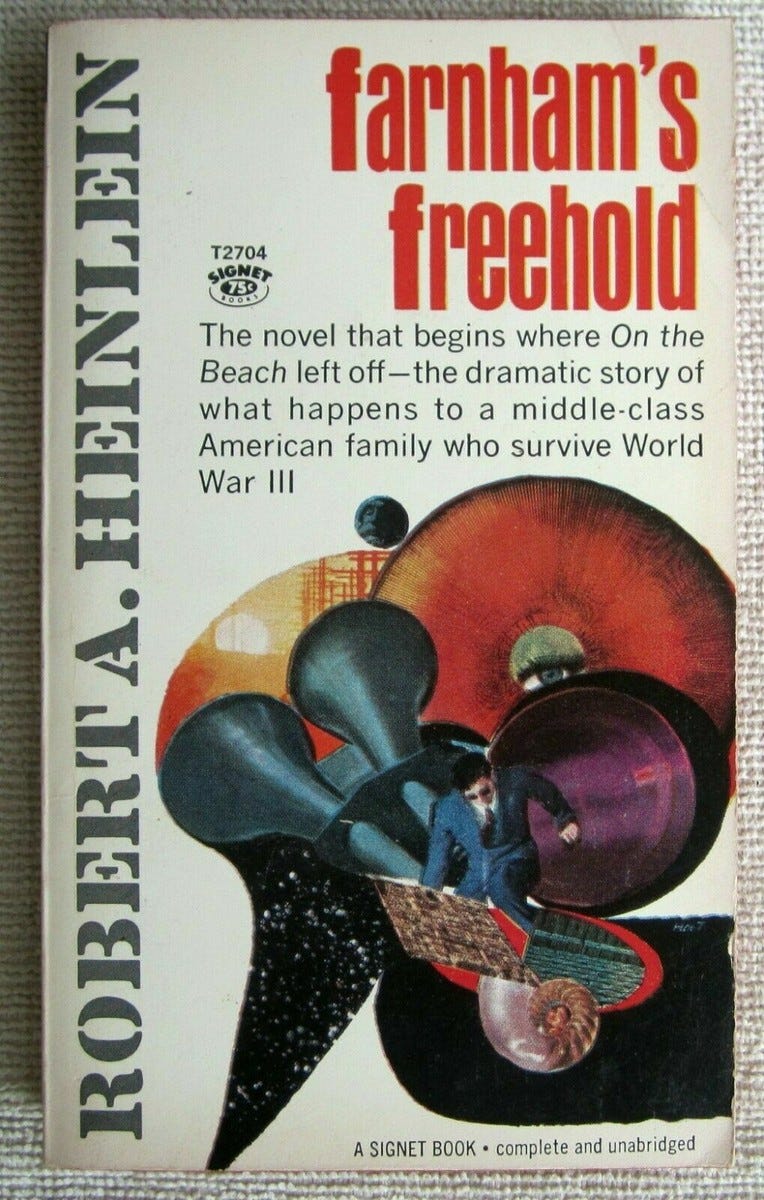
The Cold War was not as mysterious as John le Carré would have us believe. It was the bureaucratic distribution of threat with the promise of a hot, quick end. It was a gray war that took the heartbeat out of man and forced time to a standstill. It was dystopia by apathy against the backdrop of mushroom clouds reaching for the stratosphere.
I needed distance from that.
Lightyears of it.
So I left.
I left for space.
The Books
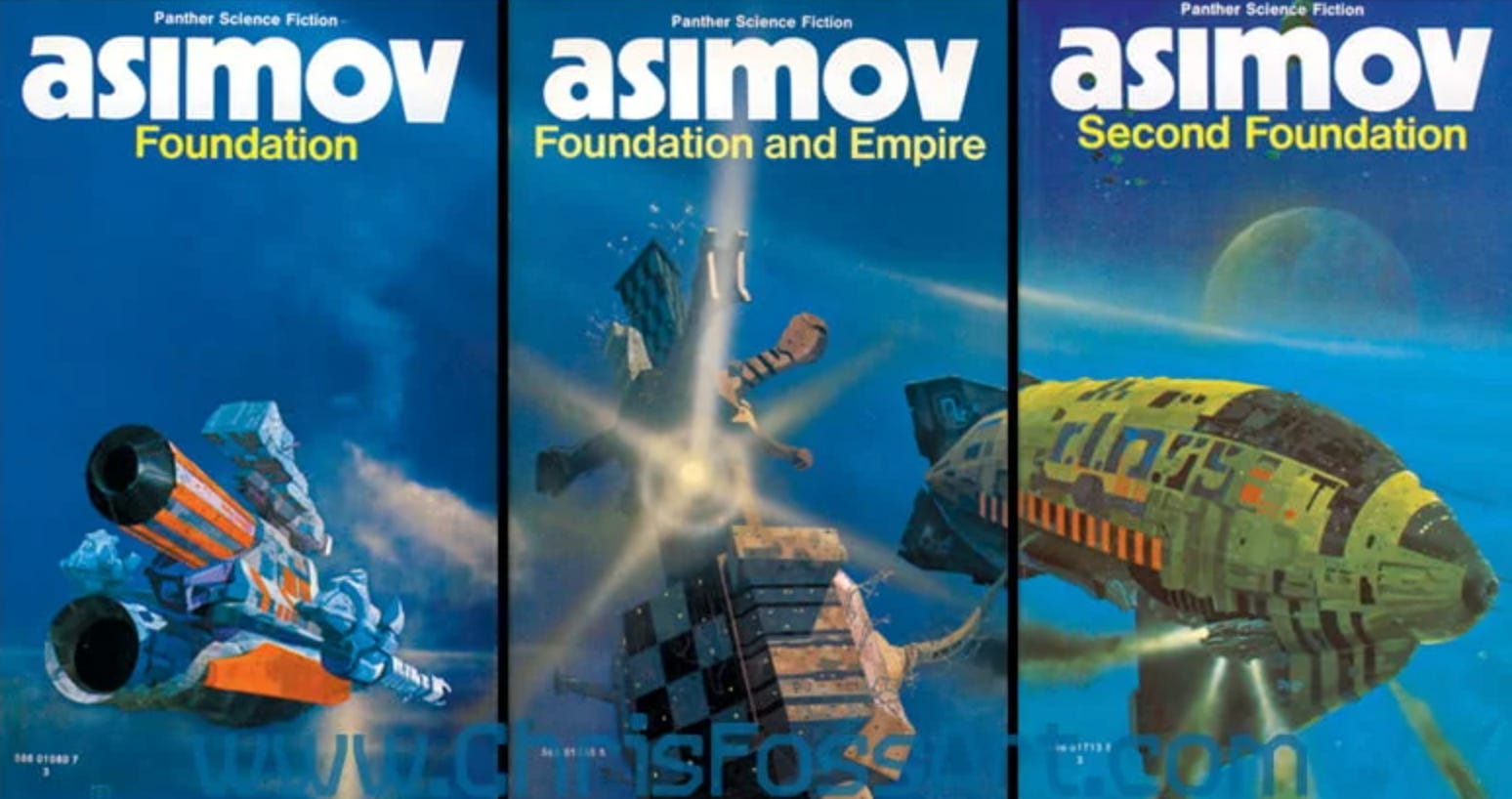
My father had thousands and thousands of books. They rose in architectural progression, shelves upon shelves to the heights of human imagination. The spines of the science fiction books were as black as space, their covers as colorful as the promise of a golden future. The real world did not reach the height of those shelves.
As I stood before the rising wall of books, I heard them speak of legends, whisper the mythos of a good future. I heard them speak of distant planets, remote stars, galaxies and galaxy clusters at an unimaginable distance.
The First Spaceport
Space began in the left bedroom bookcase, second shelf from the bottom, and went up higher than my Lego spaceships would fly without the help of a chair to step on. This was how I traveled to the planets of science fiction space: through the collection of my father.
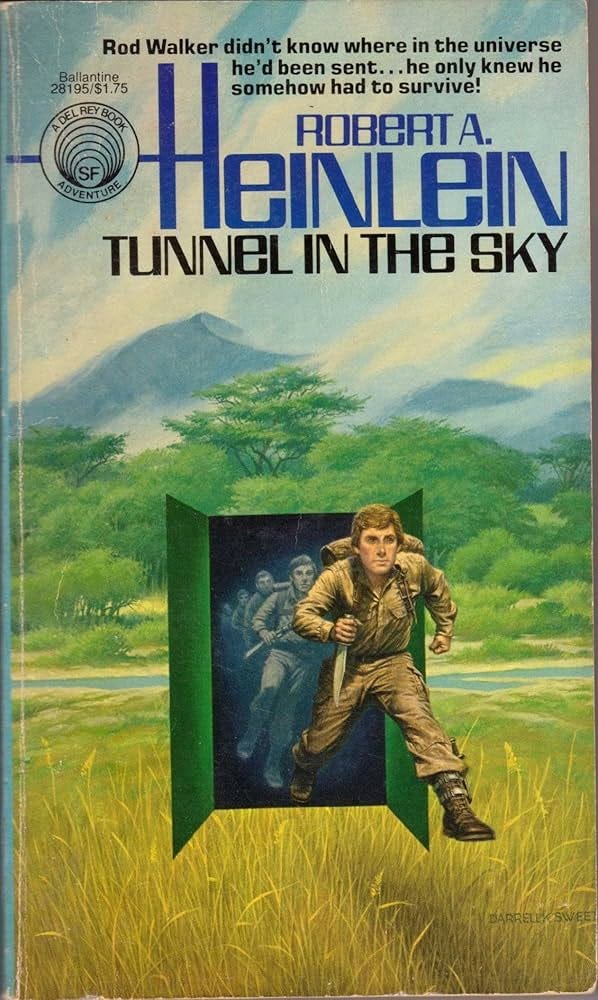
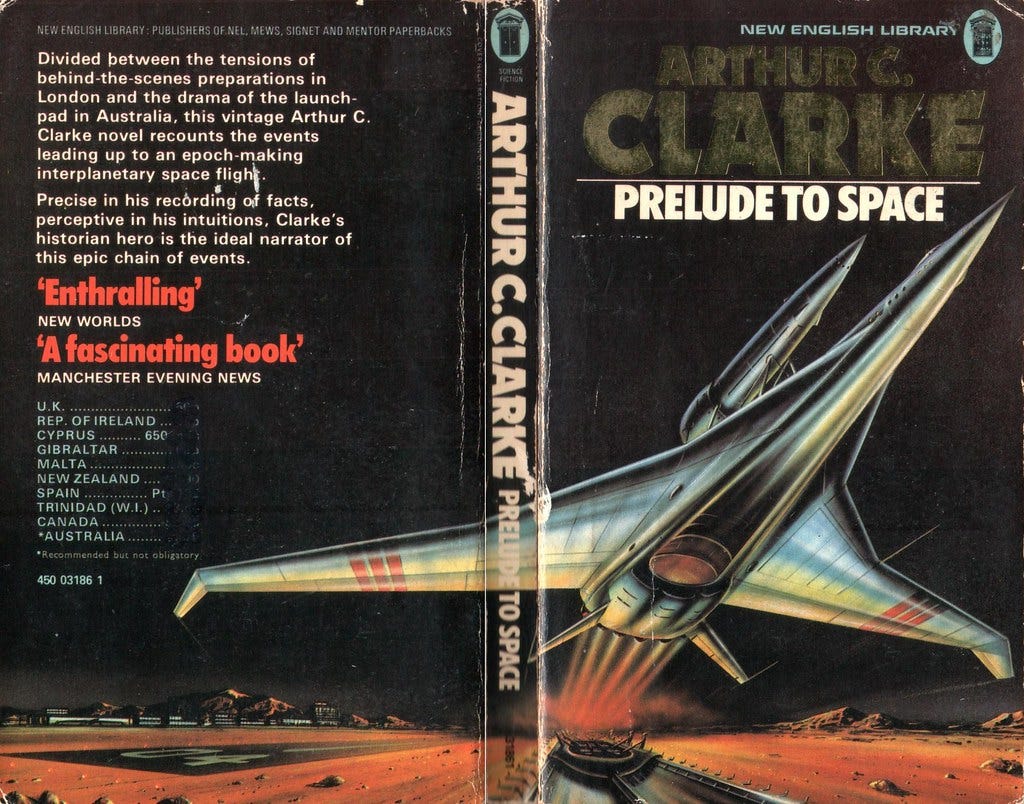
There was Robert A. Heinlein with Tunnel in the Sky, Arthur C. Clarke’s 2001: A Space Odyssey, The Demolished Man by Alfred Bester. Robots marched in Isaac Asimov’s stories. A. E. van Vogt traveled deep into interstellar space and Harry Harrison’s Stainless Steel Rat took things more lightly than you’d have thought possible.
Their worlds were dangerous, but never dystopian. Mankind was always in danger, fought and lost and won again. Many might die but nobody was ever doomed. Tomorrow was always another day.
Tomorrow was always a better day.
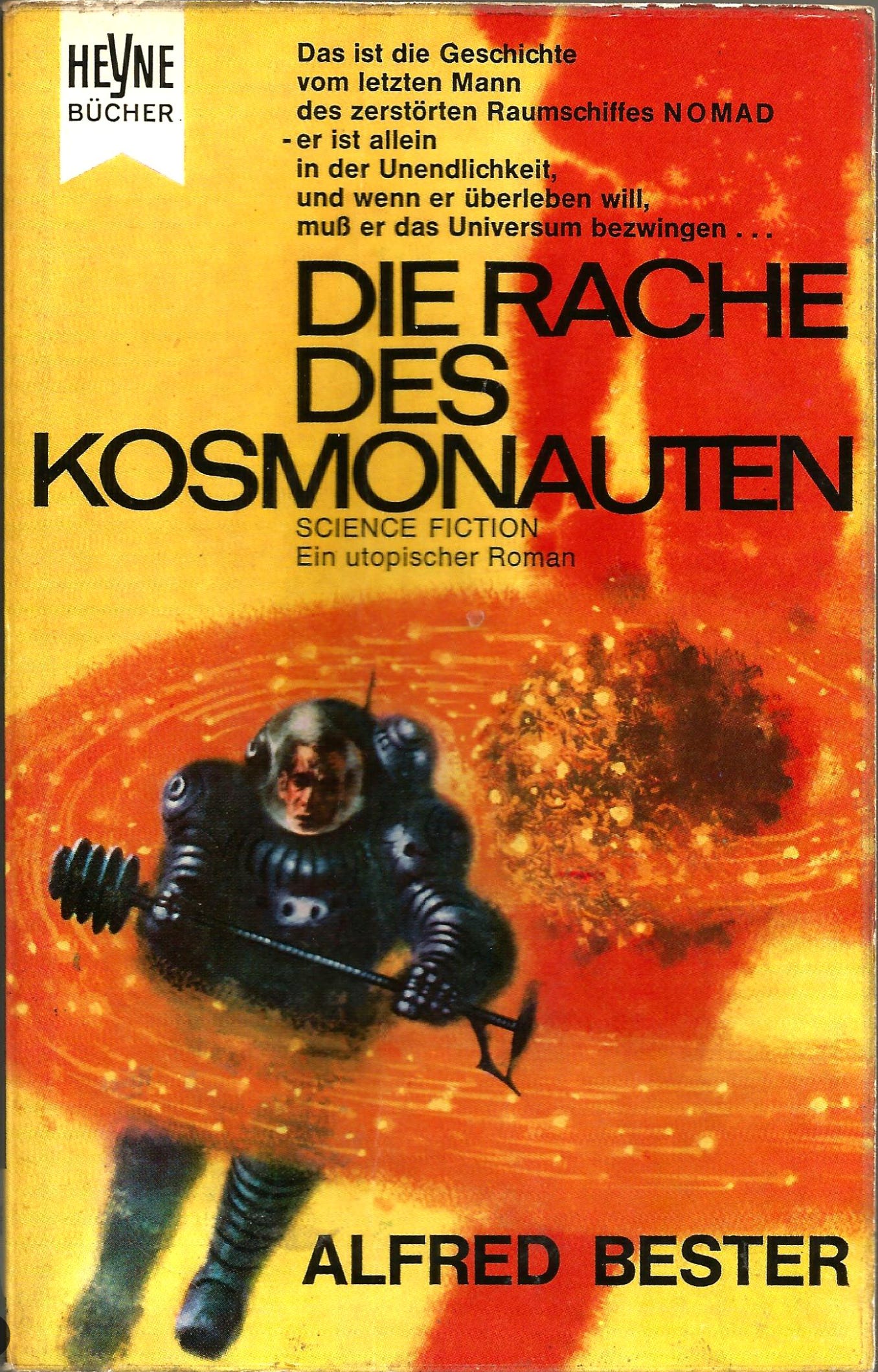
The Aesthetic of Tomorrow – The Man in the Armored Spacesuit
The promise of science fiction cover art was that the future had color, had life, had a heartbeat.
One book cover that stood out was the German edition of Alfred Bester’s The Stars My Destination. It showed a man in a black, armored spacesuit amidst fireballs of explosions. It was as if he were flying through the core of a star. The subtitle suggested he was the last survivor of the spaceship Nomad. If he wanted to survive he had to defeat the universe.
He was still alive in that picture.
So you could defeat the universe?
That was a much better outlook than the dystopia of cold and gray. I signed up instantly. Just where could I get such an armored spacesuit?
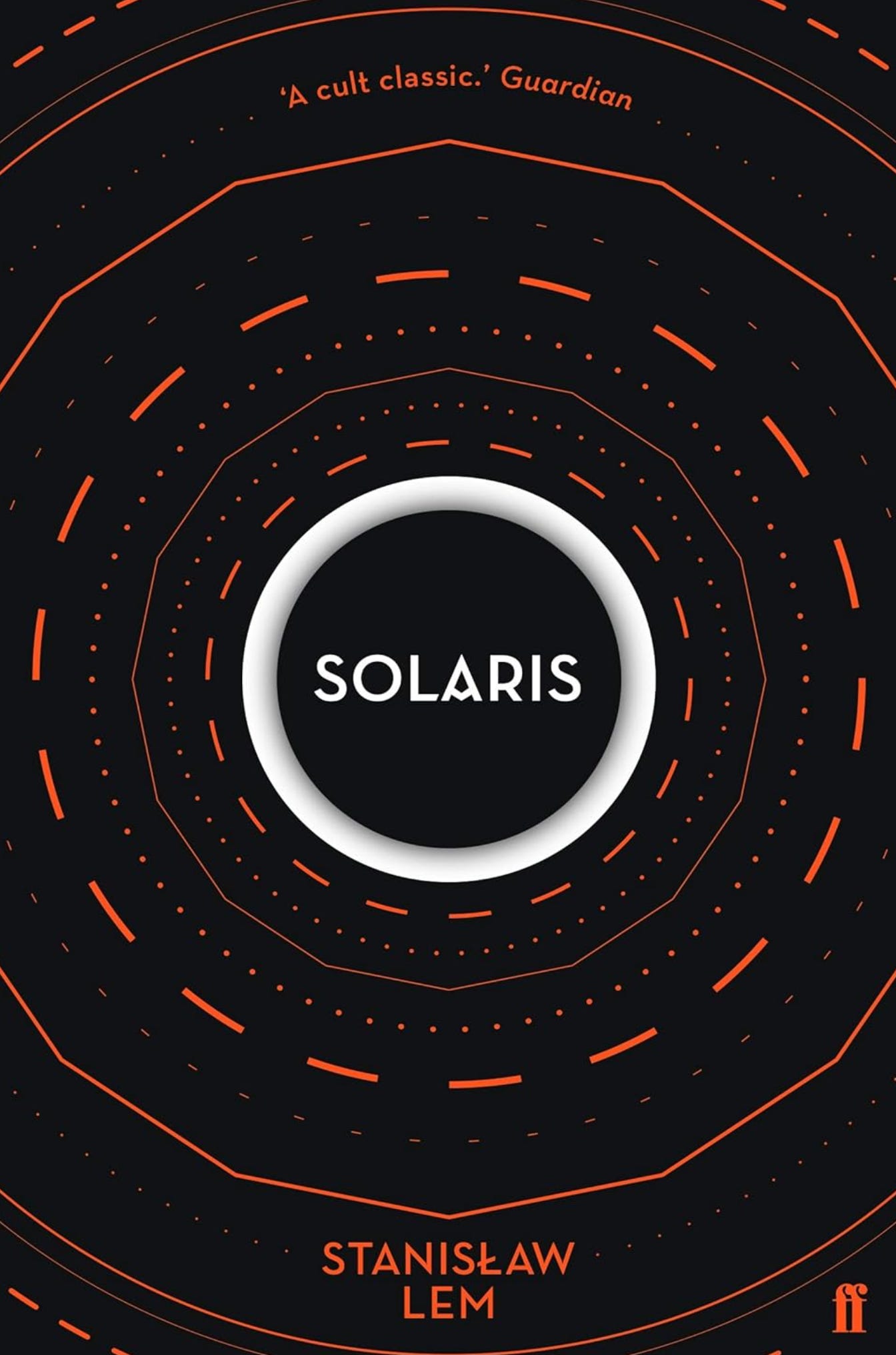
The Process of Discovery: Stanislaw Lem
Years later, I was in the audience when Stanislaw Lem read at a café in Vienna:
“… and the space ship would approach the planet and go into orbit and the astronauts would not know what they would find on that new world. I would not know, either. I had to be with them, land with them on that planet. I would explore the planet with my astronauts...”
It was Stanislaw Lem’s process of discovery through writing that opened up a tomorrow that was not determined. It was a tomorrow that I could define through my actions. A future created by life. It was a world, a universe that was ours to shape. Our actions created the facts of life – and the wonders of tomorrow.
It was never gray. It was colorful – and it was dangerous.
You just had to be able to take risks.
It was science fiction as the great writers meant it to be. Those who had invented a new future. Tomorrow had the warmth of a human heartbeat. It was the source of energy of classic science fiction.
It was the literature of future.